Red Bricks at East Loddon Station — History Brought to Life Through Art
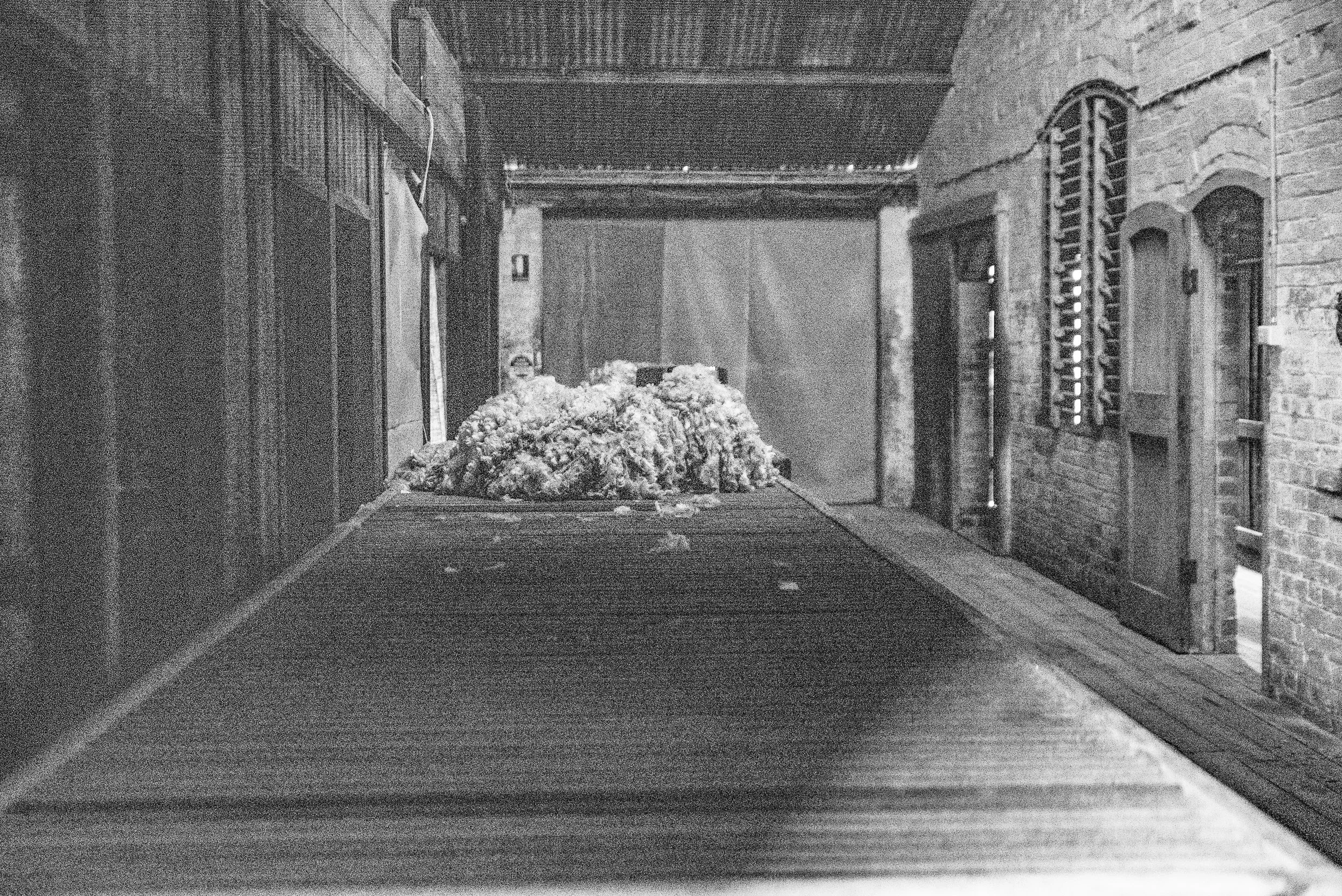
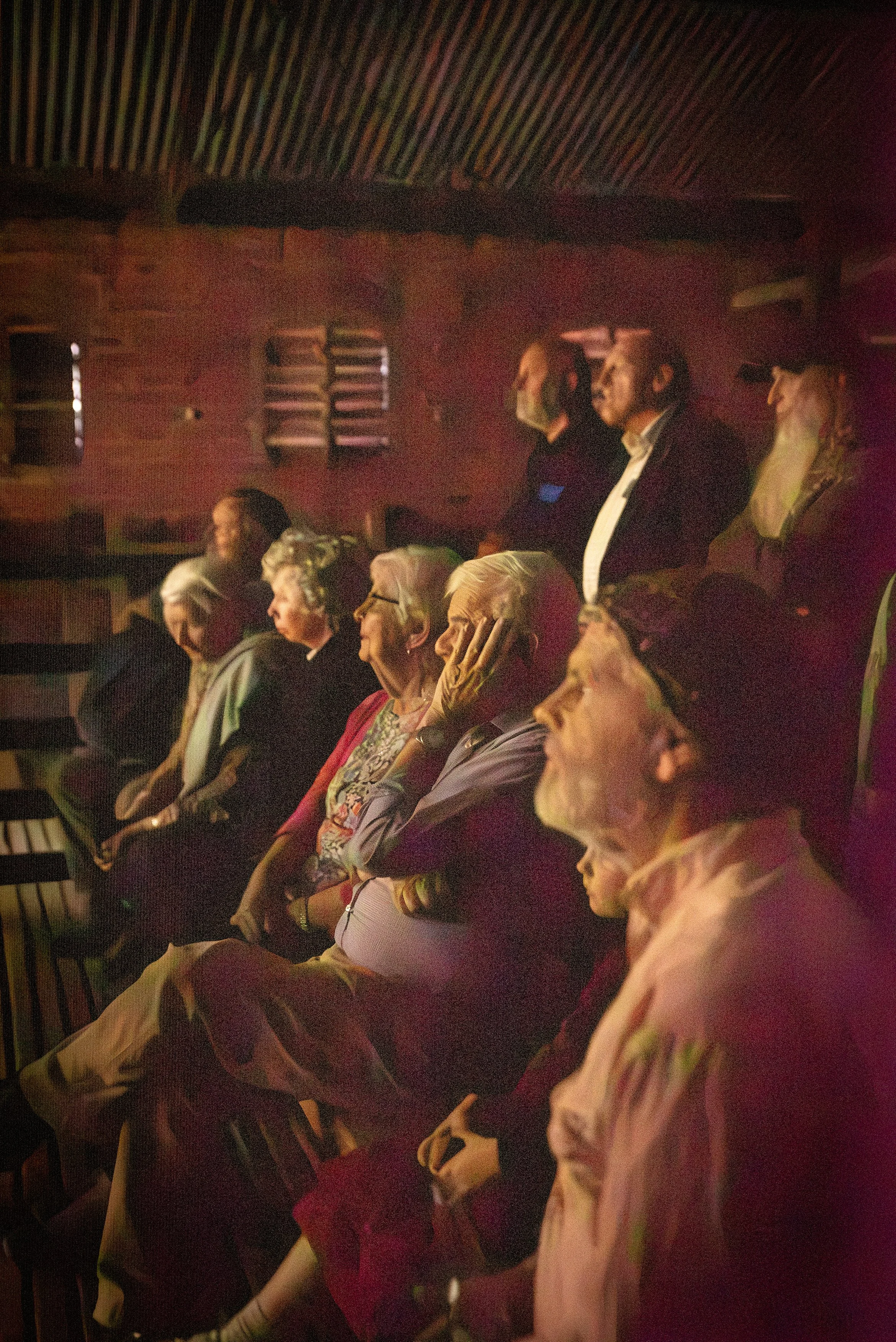
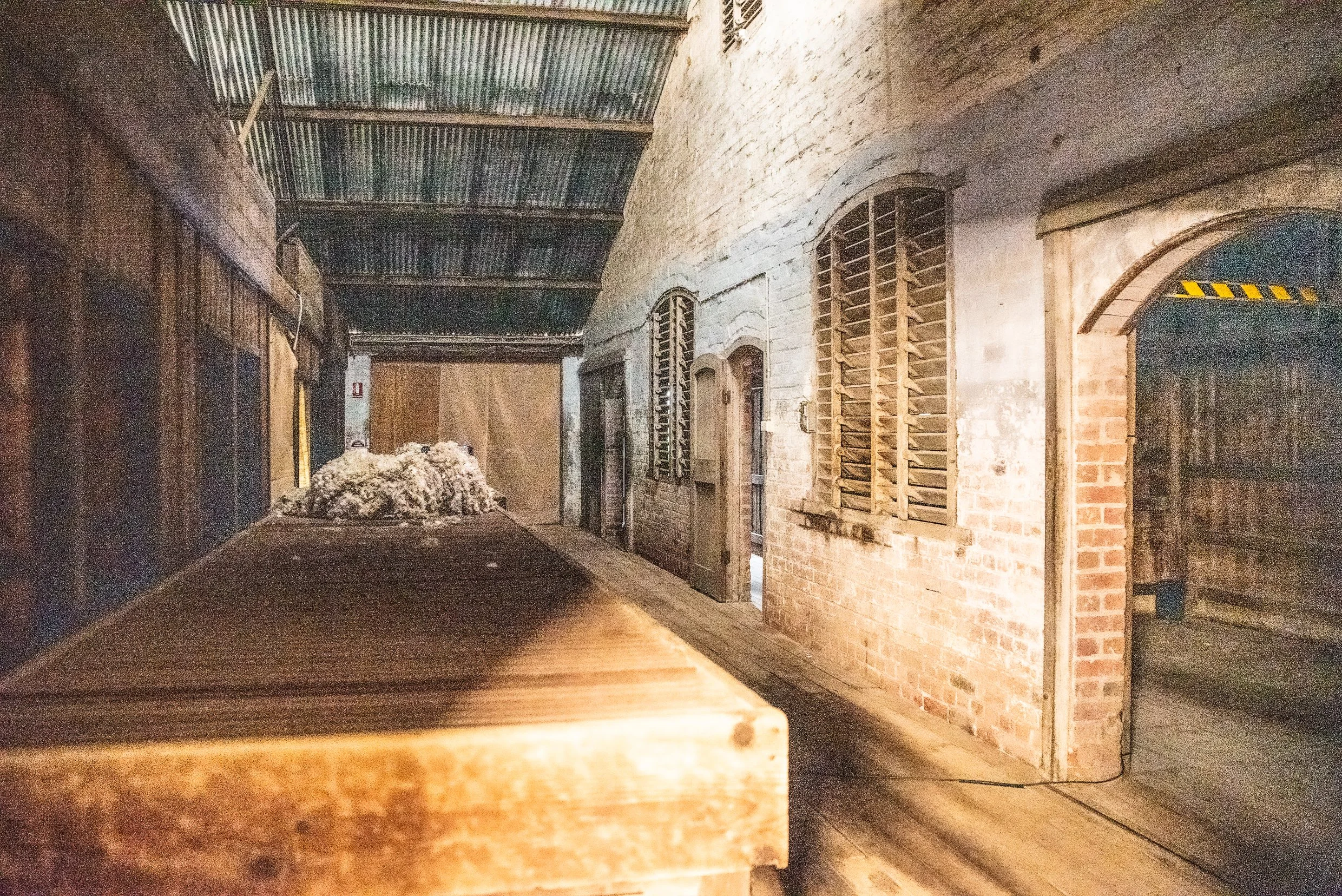
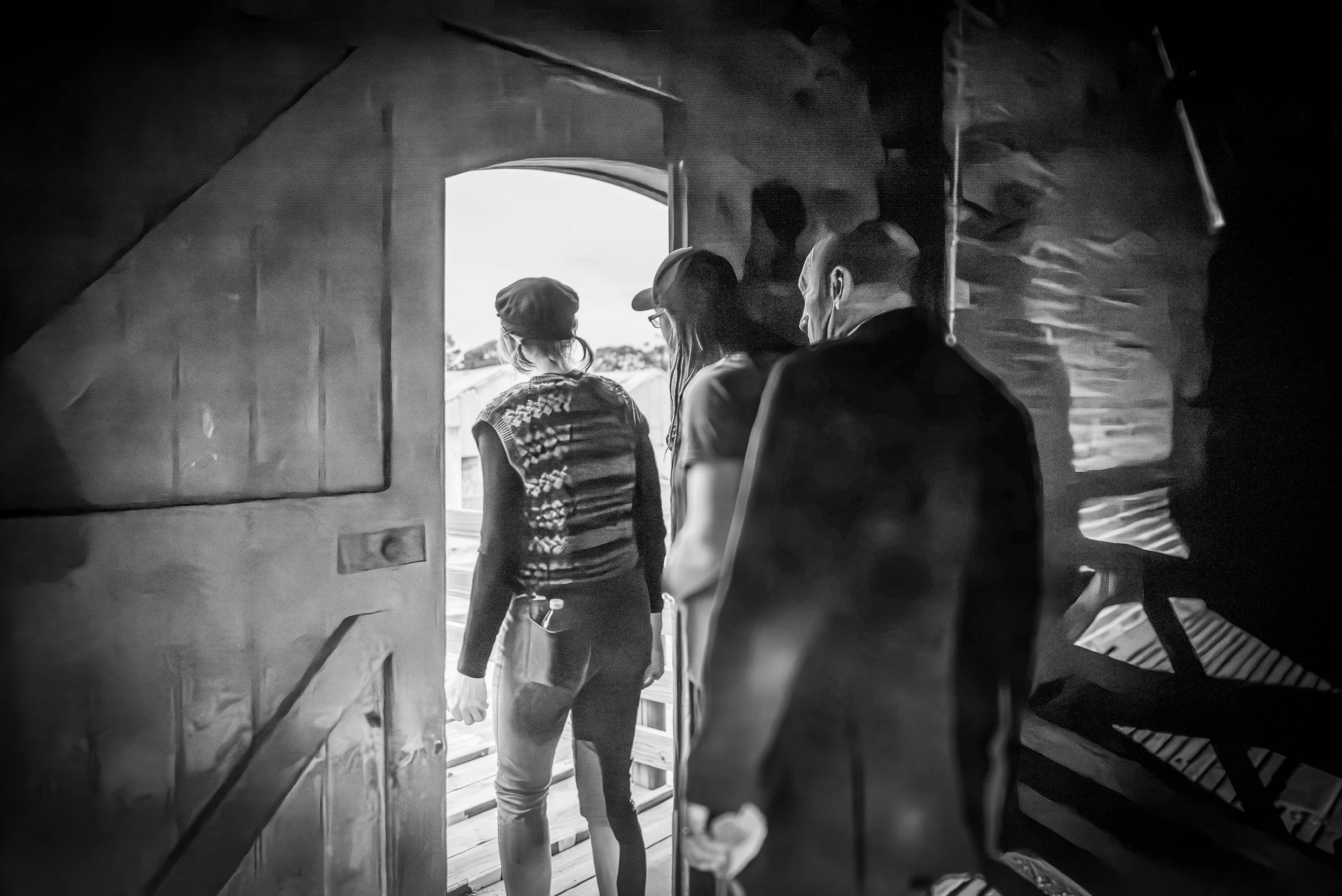
Some events are wonderful to photograph because they give you beautiful moments. Others give you a story.
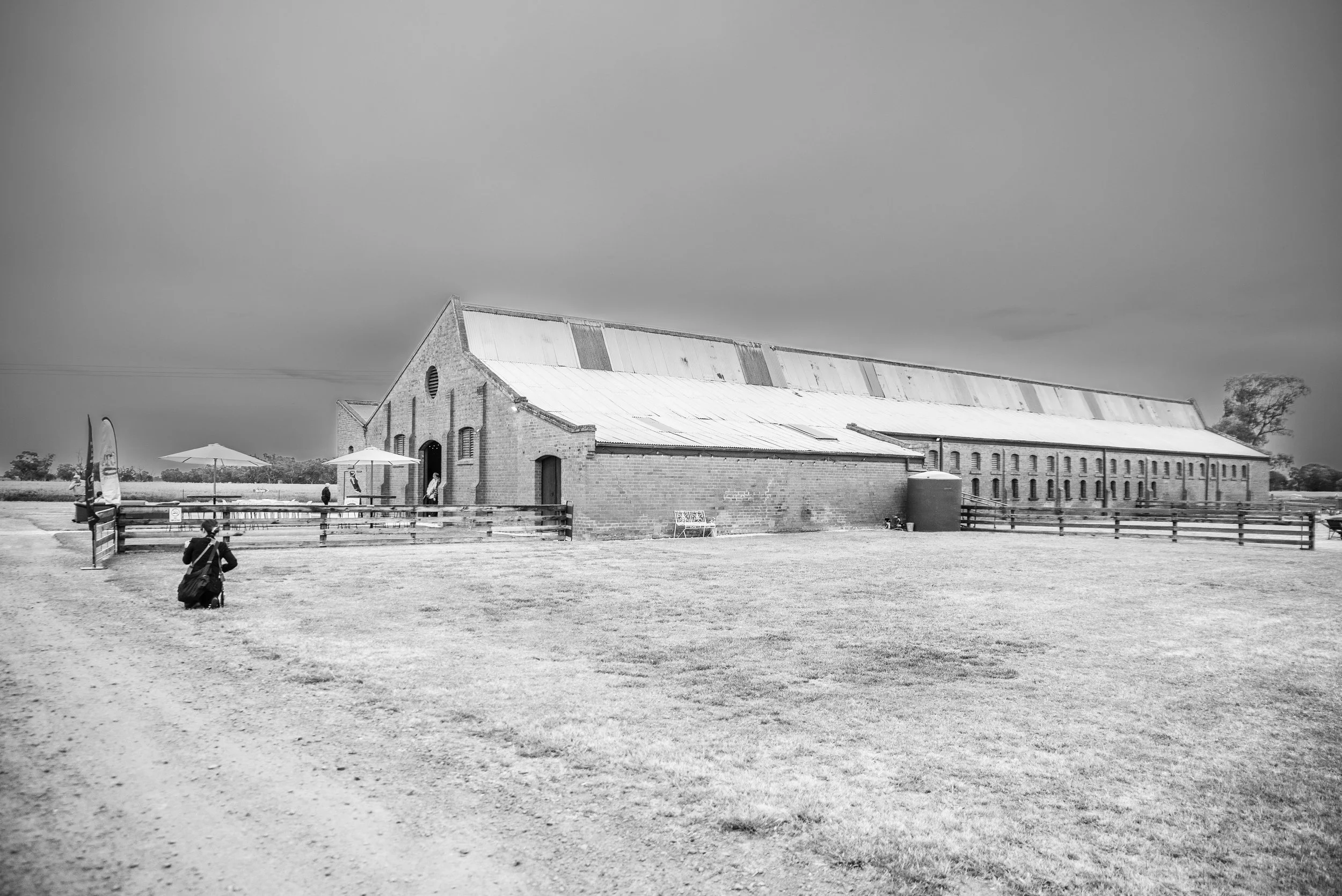
Red Bricks, created by artist Amanda Western and presented inside the remarkable nineteenth-century woolshed at East Loddon Station near Serpentine, gave me both.
I had the opportunity to photograph this immersive historical installation as part of the Loddon Valley Arts Trail, and from the moment I walked into the old woolshed, it felt as though the building itself was part of the artwork.
Stepping Back Into East Loddon Station
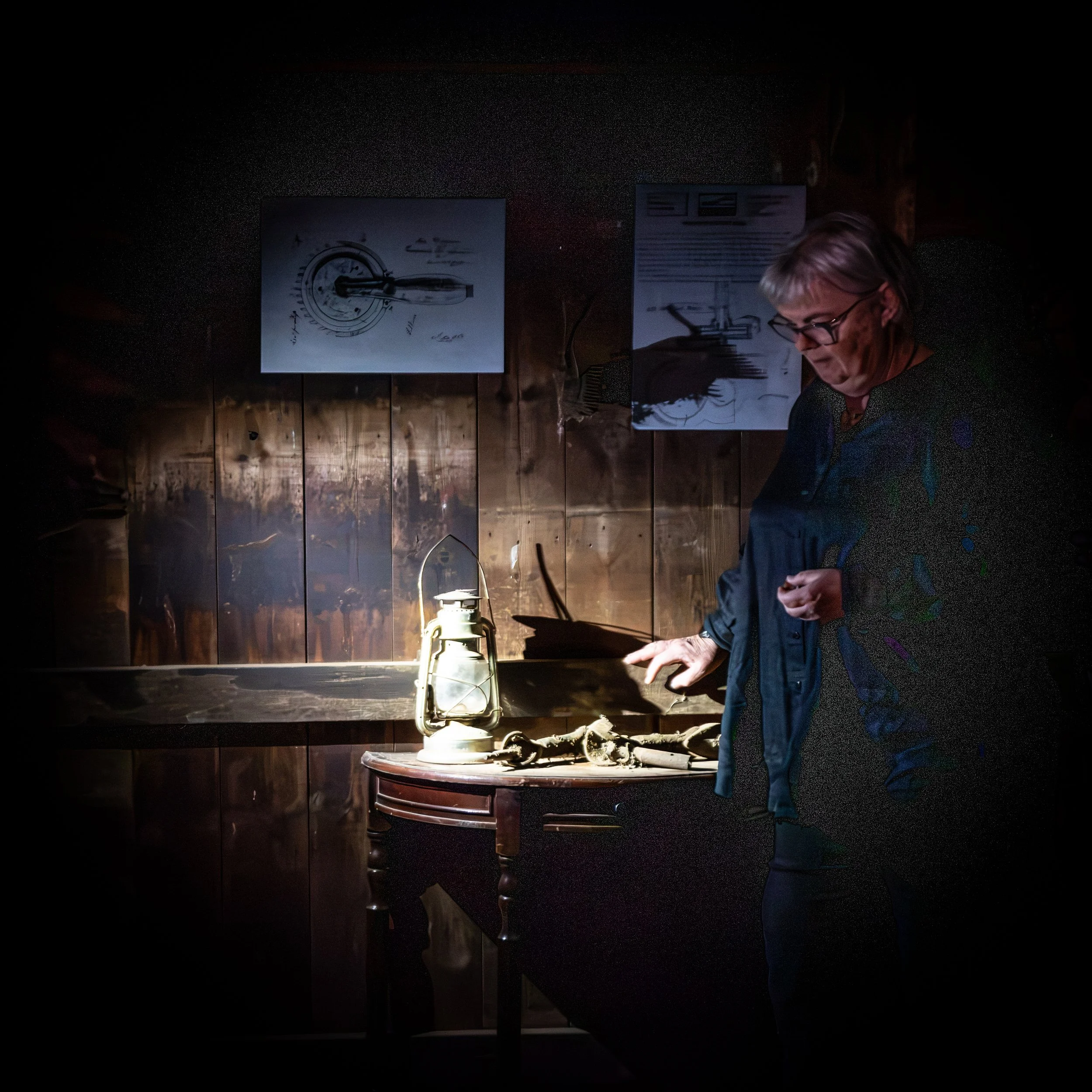
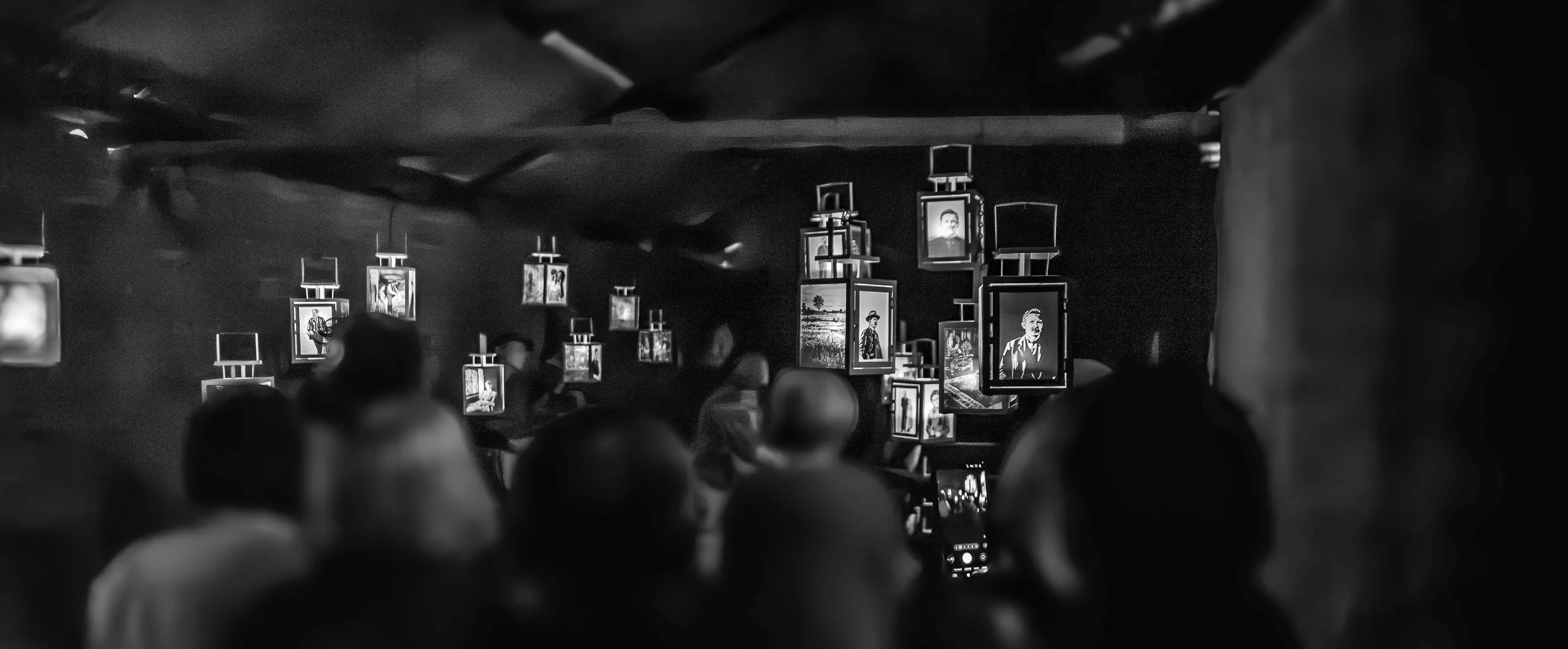
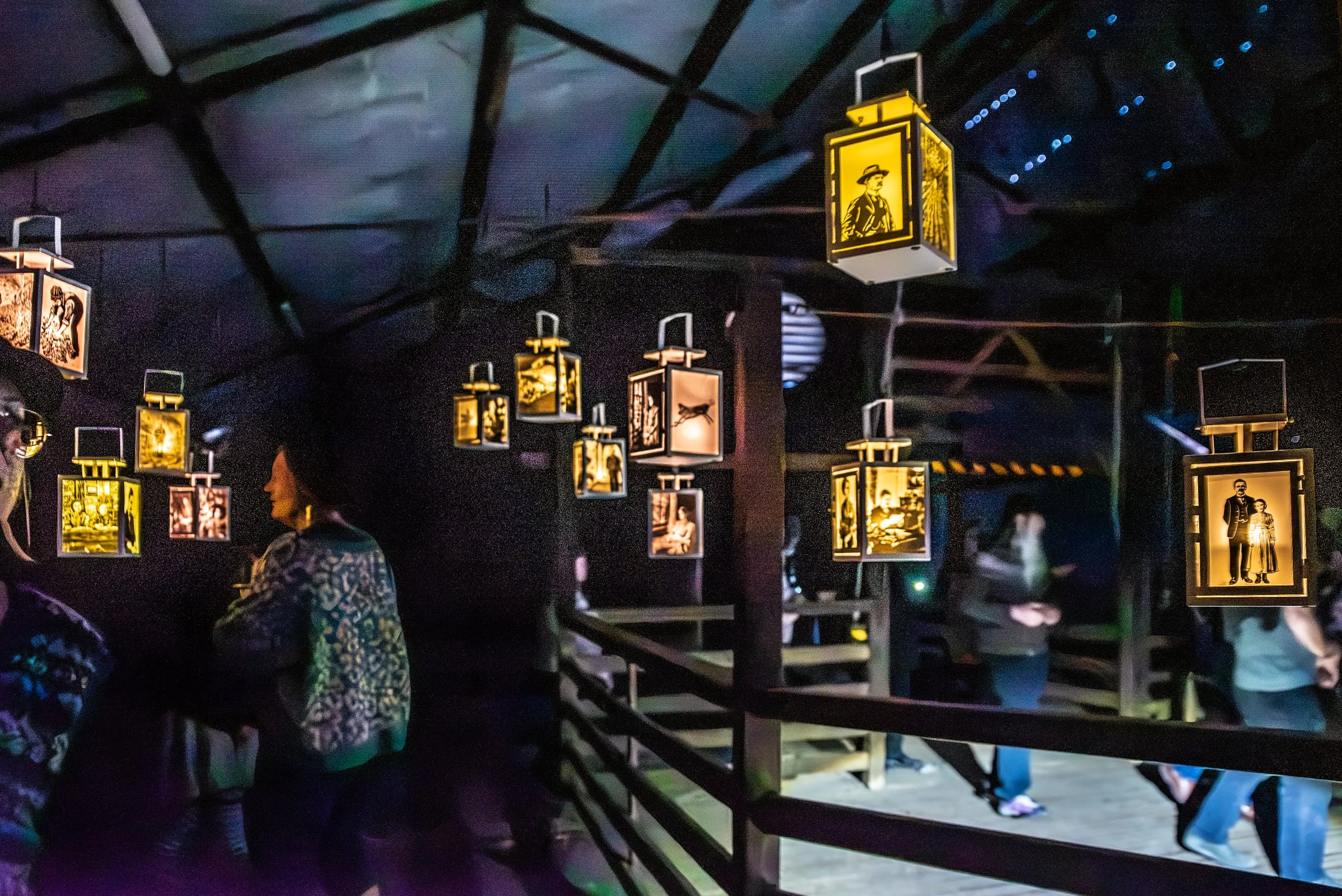
Red Bricks combines Amanda Western's original linocut imagery with projection, sound and first-person storytelling to bring the history of East Loddon Station to life.
Instead of displaying history on a wall for people to simply look at, Amanda created an experience that surrounded the audience.
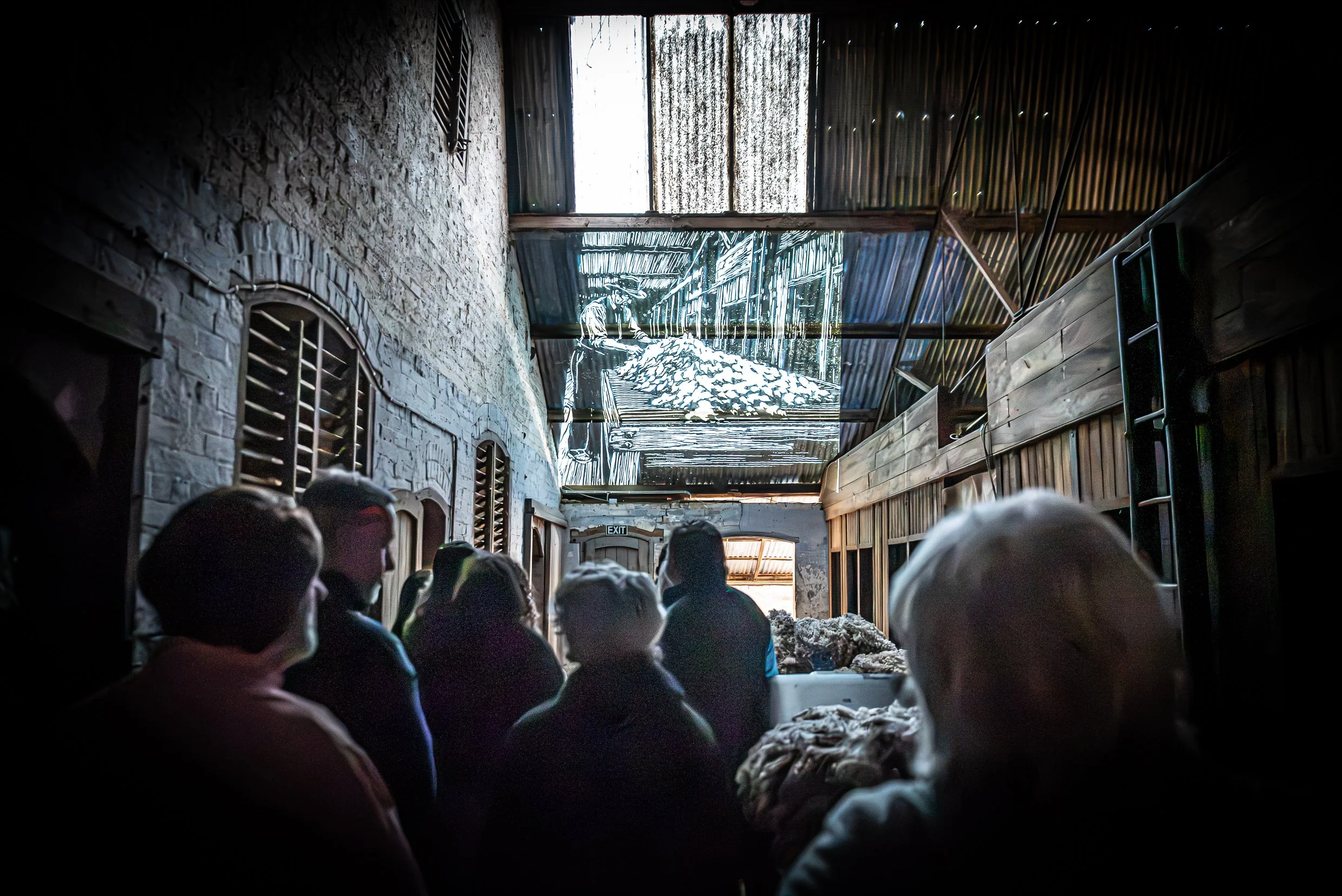
Images travelled across the old walls and timber surfaces. Voices emerged from the darkness. The textures and character of the nineteenth-century woolshed became part of the installation.
It was history told in the very place where so much of that history happened.
Following her sold-out immersive installation Lantern Vaults, Amanda has once again found a way of connecting contemporary visual art with stories from the past.
Ivy and Her Father John
At the heart of Red Bricks is Ivy, daughter of East Loddon Station owner John Ettershank.
Through Ivy's story, we are taken into the world of a working sheep station — a world of wool, ambition, family, hardship and enormous social change.
You begin to imagine the activity that once filled this woolshed: sheep, shearers, workers, noise, dust and long days of physical labour.
The story also reaches into a significant period in Australia's rural history, including the 1901 shearers' strike and the people whose lives were affected by the changes taking place around them.
What I particularly loved was that Red Bricks didn't make this history feel distant.
It made it personal.
Photographing Red Bricks
Photographing an immersive installation like this is very different from photographing a conventional event.
I didn't want my photography to overpower what Amanda had created. The darkness, projections, old timber, red brick, shadows and people moving through the space were all part of the atmosphere.
So rather than trying to make everything bright and perfect, I wanted the photographs to retain the feeling of actually being there.
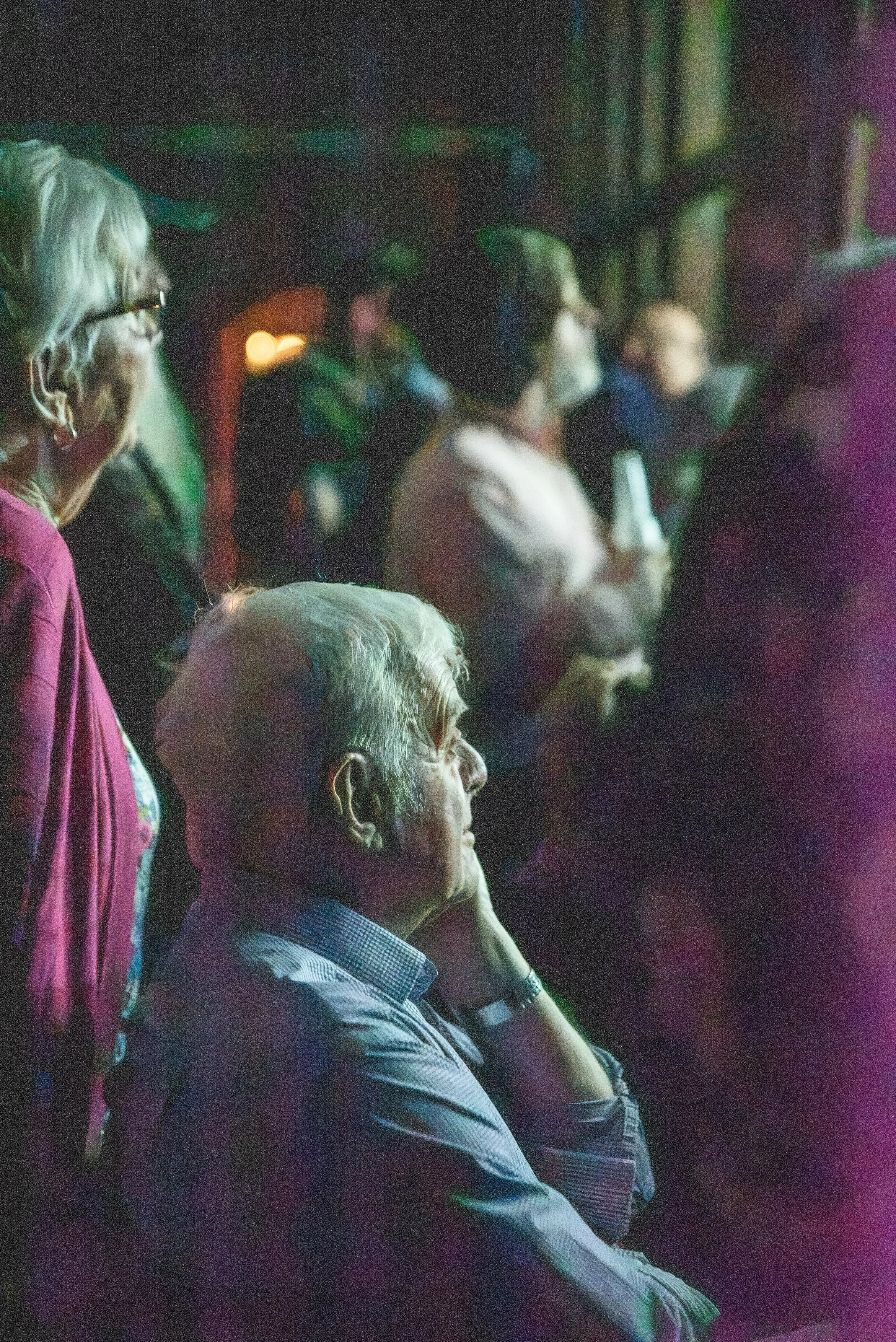
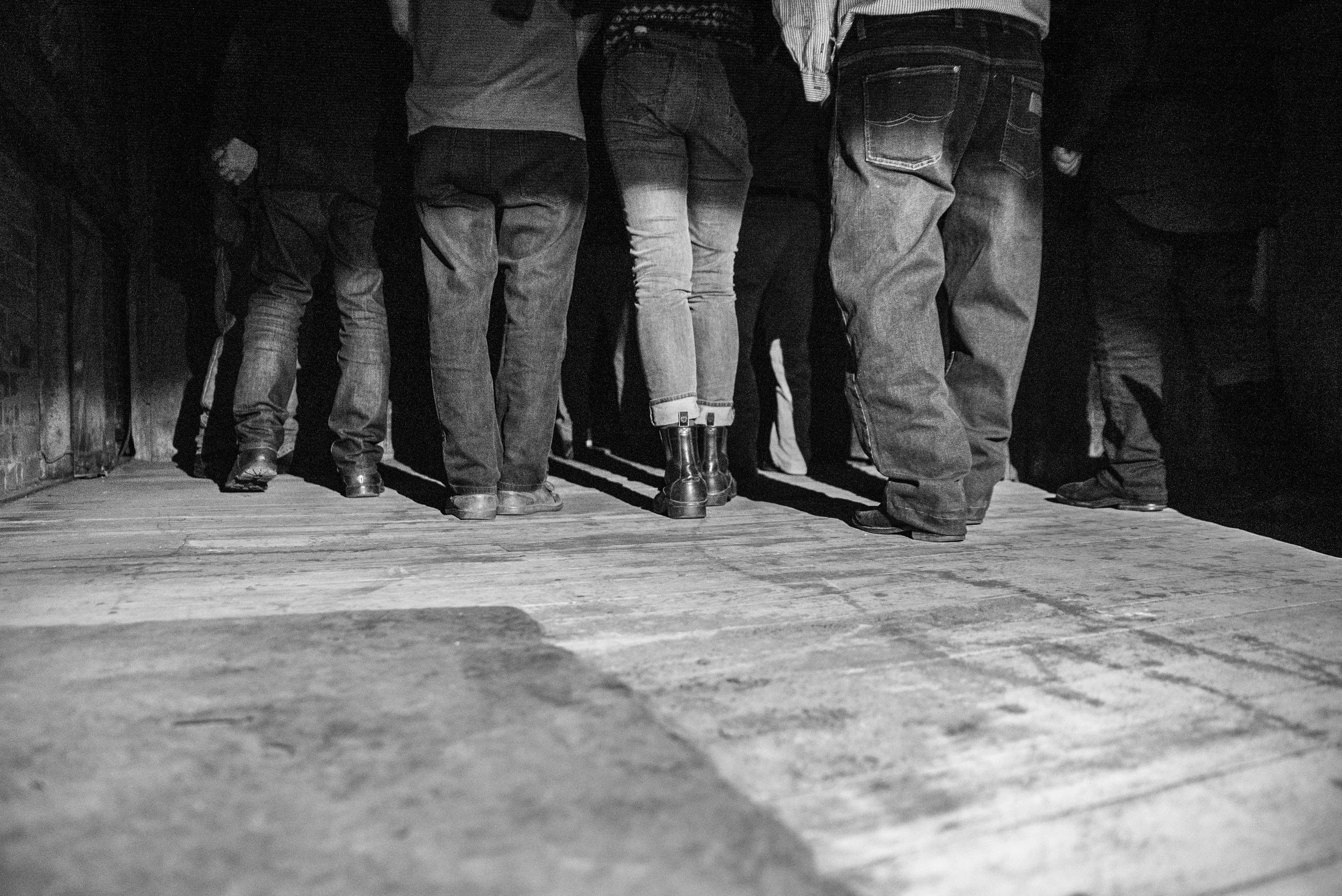
I looked for the moments between the obvious ones — people absorbed in the projections, faces illuminated by the artwork, details of the historic building, conversations and those quiet moments when somebody simply stopped and took everything in.
For me, event photography is storytelling too.
My photographs should give someone who wasn't there an idea of not only what happened, but what it felt like to be there.
When the Place Becomes Part of the Story
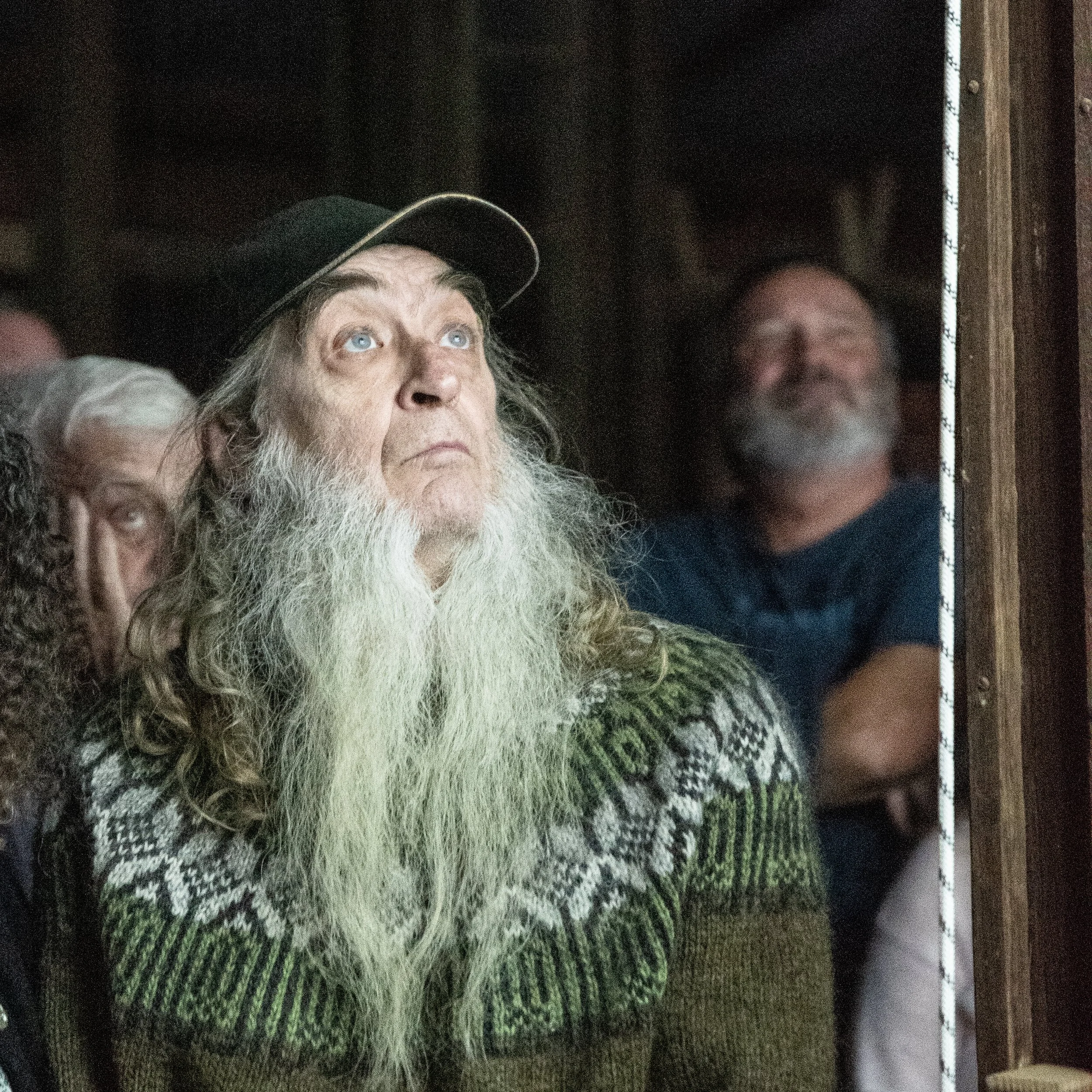
That was what made Red Bricks particularly special.
You weren't learning about East Loddon Station from somewhere else. You were standing inside its historic woolshed while its stories unfolded around you.
The building wasn't simply a backdrop for Amanda Western's installation.
It was one of its characters.
And through Ivy and the story of her father John Ettershank, the history became about real people again — their work, their family, their challenges and the lives they built on this land.
It was a wonderful event to document and another reminder of how much history sits quietly within our small towns, farms and old buildings across regional Victoria.
Sometimes it only takes an artist, a storyteller — and an extraordinary old woolshed — to make those stories visible again.
Angelika Waesch Photography
Event, arts and documentary photography across Bendigo, Loddon Shire and regional Victoria.